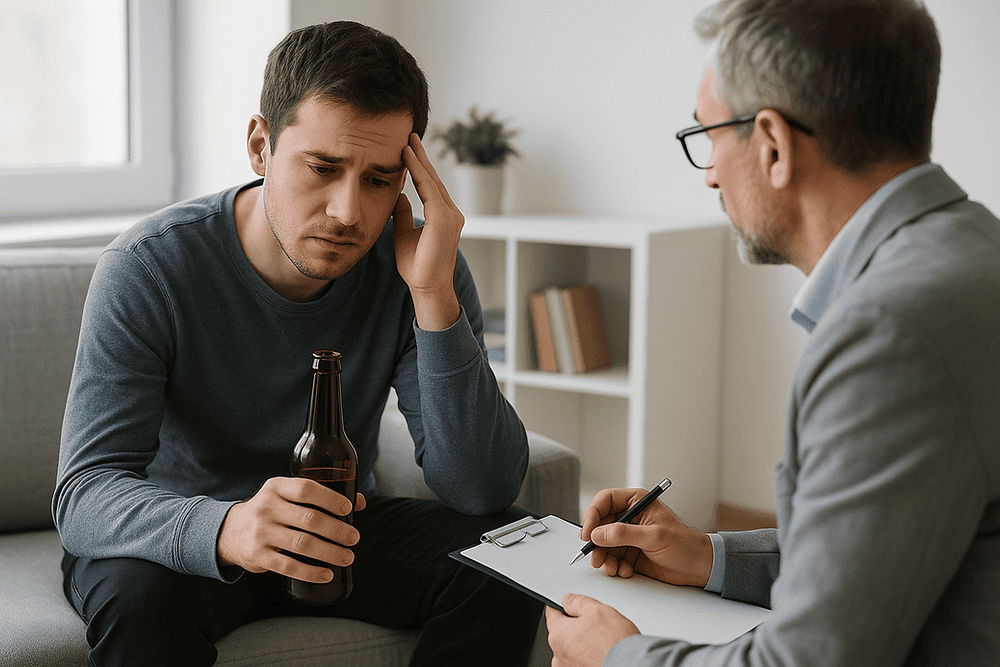
Alcohol and emotional health are closely connected. While some people drink to relax, celebrate, or temporarily forget their worries, regular alcohol use can gradually affect mood, stress levels, relationships, and mental well-being. What begins as an occasional way to unwind may become a habit that makes emotional challenges harder to manage. Understanding this connection is essential because recognizing the effects of alcohol early can help individuals make informed decisions and seek support before problems become more serious.
Alcohol education provides an important starting point. When people understand how drinking affects the brain and influences emotional responses, they can better recognize unhealthy patterns. This knowledge also helps individuals understand why addiction recovery often requires attention to both substance use and mental health.
How Alcohol Affects Emotional Health
Alcohol is a central nervous system depressant. It changes brain activity and can influence judgment, mood, memory, and emotional regulation. Although drinking may initially create feelings of relaxation or confidence, these effects are temporary.
As alcohol leaves the body, some individuals experience irritability, anxiety, low mood, or disrupted sleep. Repeated drinking can make these difficulties more complicated, particularly when alcohol becomes a regular way to manage uncomfortable emotions.
Alcohol and Anxiety
People experiencing anxiety may turn to alcohol because it seems to reduce tension. A drink might temporarily make social situations feel easier or help someone feel less overwhelmed after a stressful day.
However, alcohol can interfere with the body’s natural stress response and contribute to increased anxiety as its effects wear off. Poor sleep and physical discomfort can make these feelings worse.
This can create a repeating pattern:
- A person feels anxious or overwhelmed.
- They drink to experience temporary relief.
- Alcohol affects sleep, mood, and physical well-being.
- Anxiety returns or becomes more difficult to manage.
- They consider drinking again to feel better.
Recognizing this pattern is important. Addressing the underlying anxiety through appropriate mental health treatment can provide healthier ways to cope.
Alcohol and Depression
Alcohol can also affect people experiencing depression. Some individuals drink to escape sadness, loneliness, hopelessness, or emotional exhaustion. However, alcohol can worsen low mood and interfere with healthy routines.
Regular drinking may also contribute to social withdrawal, reduced motivation, relationship difficulties, and problems at work or school.
It is important to understand that depression and alcohol use disorder can occur together. Neither should be dismissed as simply a temporary phase or a lack of willpower. A qualified professional can assess both concerns and recommend an appropriate treatment plan.
Why People Use Alcohol to Manage Difficult Emotions
Understanding why someone drinks is an important part of understanding their relationship with alcohol. Drinking behavior is influenced by personal experiences, social environments, emotional triggers, and learned habits.
For some individuals, alcohol becomes a familiar response to situations they find difficult to handle.
Stress, Trauma, and Emotional Triggers
Daily pressures can influence drinking habits. Work demands, financial concerns, family conflict, grief, and unresolved trauma may leave people searching for ways to reduce emotional discomfort.
Alcohol can appear to offer a quick escape. However, it does not resolve the experiences behind those feelings. In some cases, drinking can make it harder to process difficult memories or respond constructively to stressful situations.
Professional counseling can help individuals identify emotional triggers and understand how past experiences influence present behavior. This work can be especially valuable when trauma, anxiety, or depression contributes to substance use.
Learned Habits and Drinking Routines
Alcohol use can also become connected to everyday routines. Someone might automatically drink after work, during social gatherings, or whenever they feel bored.
Over time, these repeated behaviors can become difficult to change. The individual may begin to associate certain situations with the need to drink.
Recognizing these connections can help people identify opportunities for change. For example, replacing an alcohol-centered evening routine with exercise, a hobby, meaningful conversation, or another healthy activity may support gradual progress.
Recognizing When Alcohol Is Affecting Your Mental Health
Alcohol-related problems are not always obvious. A person may continue meeting some responsibilities while experiencing emotional difficulties that gradually become more disruptive.
Paying attention to changes in behavior and well-being can help identify when additional support is needed.
Warning Signs Worth Taking Seriously
Possible warning signs include:
- Drinking to manage anxiety, sadness, anger, or loneliness.
- Feeling irritable or restless when alcohol is unavailable.
- Experiencing frequent mood changes after drinking.
- Having difficulty sleeping without alcohol.
- Drinking more than intended or struggling to cut back.
- Withdrawing from friends, family, or meaningful activities.
- Neglecting responsibilities because of drinking or its aftereffects.
- Continuing to drink despite emotional, physical, or relationship problems.
These signs do not automatically establish a diagnosis. However, they are reasons to speak with a healthcare professional, especially when several changes occur together.
The Importance of Honest Self-Assessment
It can be difficult to acknowledge that alcohol is affecting emotional health. Some people minimize their drinking because they compare themselves with others or believe they should be able to stop whenever they choose.
An honest assessment involves looking beyond how often someone drinks. It also considers why they drink, how they feel afterward, and whether alcohol is interfering with their quality of life.
Questions worth considering include:
- Do I drink when I feel emotionally overwhelmed?
- Has alcohol become my main way of dealing with stress?
- Do I feel more anxious or depressed after drinking?
- Have my relationships changed because of my alcohol use?
- Have I tried to reduce my drinking but struggled to maintain that decision?
These questions can help individuals recognize patterns and prepare for a productive conversation with a treatment professional.
Treating Alcohol Use and Mental Health Together
When alcohol problems and emotional health concerns occur together, addressing only one issue may leave important challenges unresolved. Effective treatment should consider the individual’s physical health, psychological needs, personal circumstances, and recovery goals.
Understanding Dual Diagnosis Treatment
A person experiencing both a substance use disorder and a mental health condition may benefit from integrated treatment. This approach addresses both concerns as part of a coordinated care plan.
For example, someone who drinks to cope with anxiety may need support for alcohol use as well as therapy to understand and manage anxious thoughts. Similarly, someone experiencing depression may need treatment that addresses mood symptoms, drinking patterns, and the practical challenges affecting daily life.
Integrated care can help individuals understand how these issues influence one another. It can also provide practical coping skills that support progress beyond treatment.
Inpatient and Outpatient Care
The appropriate treatment setting depends on the individual’s needs and the severity of their alcohol use.
Inpatient or residential treatment provides a structured environment with more intensive support. It may be suitable for individuals who need close supervision, a stable setting, or help managing significant challenges during early recovery. Medical assessment is important, particularly when physical dependence or withdrawal risks are present.
Outpatient treatment allows individuals to live at home while attending scheduled therapy and treatment sessions. This option may work for people whose clinical needs can be safely managed without residential care.
Neither option is automatically better for everyone. A qualified professional can help determine the appropriate level of care based on medical history, mental health needs, drinking patterns, and available support.
How Holistic and Faith-Based Support Can Complement Recovery
Recovery involves more than reducing or stopping alcohol use. Individuals also need opportunities to rebuild healthy routines, strengthen relationships, and develop ways to manage difficult emotions.
Holistic approaches can complement professional addiction treatment by considering physical, emotional, social, and spiritual well-being.
Supporting the Mind and Body
Healthy daily routines can make an important contribution to recovery. Depending on individual needs, supportive practices may include:
- Maintaining regular sleep and meal schedules.
- Participating in physical activity.
- Practicing mindfulness or meditation.
- Developing healthy ways to manage stress.
- Reconnecting with supportive friends and family.
- Taking part in meaningful hobbies and activities.
These practices can improve daily structure and provide alternatives to alcohol-centered habits. However, they should complement rather than replace appropriate medical and psychological treatment.
The Role of Faith and Personal Values
For individuals who draw strength from spirituality, faith-based support may provide encouragement, purpose, and a sense of connection during recovery.
Prayer, spiritual reflection, supportive faith communities, and discussions about personal values may help individuals find meaning as they work toward healthier choices.
Faith-based support should respect each person’s beliefs and preferences. It can be included alongside evidence-based treatment when it aligns with the individual’s goals.
Practical Steps Toward Better Emotional Health
Understanding the relationship between alcohol and emotional health is valuable, but applying that knowledge to everyday life is equally important.
People concerned about their drinking can begin by paying attention to emotional triggers, recognizing situations that increase the urge to drink, and identifying healthier ways to respond.
Talking with a trusted person or qualified healthcare professional can also make it easier to address concerns. If physical dependence is possible, medical advice is especially important before attempting to stop drinking. Alcohol withdrawal can be dangerous and may require supervised medical care.
Most importantly, individuals should not wait until their relationships, health, or responsibilities have been seriously affected before seeking assistance. Early support can help clarify the problem and identify suitable treatment options.
Conclusion: Understanding the Connection Creates Opportunities for Change
Alcohol and emotional health influence one another in ways that can be difficult to recognize without proper education. Drinking may begin as an attempt to manage stress or difficult feelings, but repeated use can contribute to anxiety, depression, disrupted sleep, and strained relationships. Recognizing these patterns is an important step toward making healthier decisions.
Recovery becomes more manageable when treatment addresses the person as a whole. Individualized addiction care, mental health support, appropriate inpatient or outpatient services, and complementary holistic or faith-based practices can all play a role when suited to a person’s needs.
If alcohol is affecting your emotional well-being or making everyday life harder, consider speaking with a qualified treatment professional. You deserve clear information, appropriate support, and a recovery plan that respects your circumstances. A conversation today can be the beginning of meaningful change.